
Water Use Analysis & Budgeting
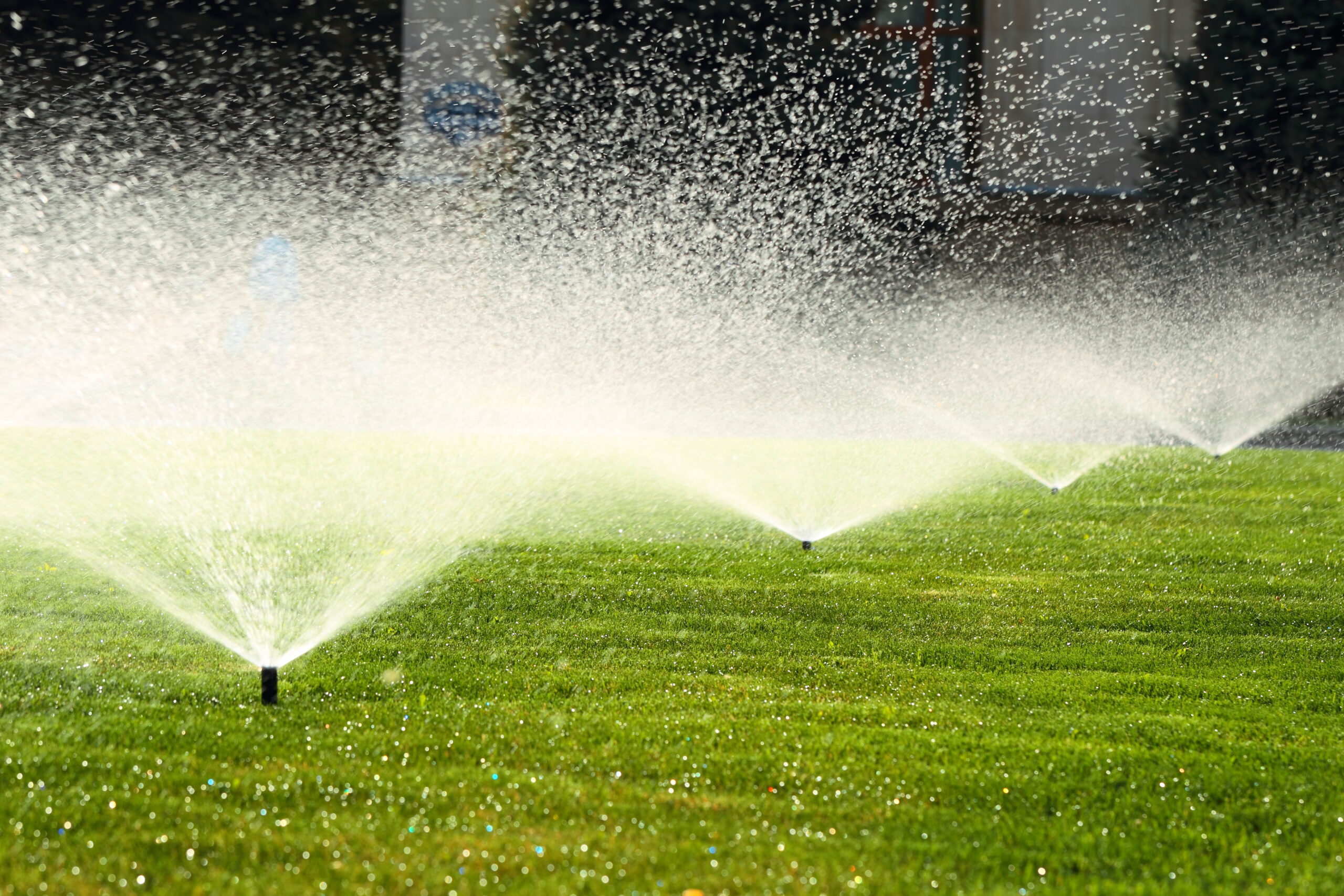
Smarter Water Management for Phoenix HOA Landscapes
Water is one of the most important resources required to maintain a successful landscape in the Phoenix metro area. For large HOAs and master-planned communities, it can also represent a significant and closely watched operating expense. Understanding how much water a landscape uses and how that use changes over time gives community leaders better information for planning and decision-making.
Four Peaks Landscape provides water use analysis and budgeting for HOAs and master-planned communities throughout the Phoenix metro area. We help clients establish customized water budgets, track usage and report on performance to support responsible water stewardship, cost management and applicable water-use requirements.
Instead of treating the water bill as information that arrives after the fact, Four Peaks helps community managers use water data as part of a proactive landscape management strategy.
What Is a Landscape Water Budget?
A landscape water budget provides a benchmark for evaluating how much water a property is expected to use over a defined period.
Because landscape water needs change throughout the year, an effective water budget should consider the property and its landscape rather than relying on the same target every month.
Four Peaks works with clients to develop water budgets that can provide a clearer framework for evaluating irrigation use and performance.
Depending on the property and program, water management may include:
- Customized landscape water budgets
- Water use tracking
- Usage reporting
- Review of consumption trends
- Comparison of actual use to established targets
- Identification of unusual changes in water use
- Irrigation performance considerations
- Budget planning support
- Recommendations for water management improvements
- Ongoing communication with community management
The goal is to turn water consumption into useful information that can support better landscape decisions.
Understanding Water Use Across Large HOA Communities
A master-planned community can contain extensive irrigated landscapes spread across entrances, streetscapes, parks, common areas and community amenities.
That scale makes water management more complex.
Changes in irrigation schedules, leaks, equipment performance, seasonal plant needs and landscape improvements can all influence overall consumption. Without ongoing analysis, it can be difficult to determine whether a change in water use is expected or deserves further investigation.
Tracking water use over time gives Four Peaks and community management teams a stronger basis for asking the right questions and identifying areas that may need attention.
Water Usage Tracking and Reporting
A water budget is most useful when actual consumption is compared against it.
Four Peaks can help HOA clients track water use and provide reporting that makes landscape water performance easier to understand. Rather than simply presenting numbers, the objective is to provide context that helps community managers evaluate what is happening across the property.
Useful reporting can help answer questions such as:
How is actual water use comparing with our budget?
Has consumption changed significantly from previous periods?
Are there unusual increases that warrant investigation?
How are irrigation or landscape changes affecting water use?
Clear reporting gives community managers and HOA boards better information for discussions about landscape performance, operating costs and future investments.
Identifying Unusual Changes in Water Consumption
An unexpected increase in landscape water use can have several potential causes.
Irrigation leaks, damaged components, scheduling changes, system performance and seasonal landscape requirements may all affect consumption. Water-use data does not automatically identify the cause, but it can provide an important signal that something has changed.
When unusual consumption is identified, Four Peaks can connect that information with its broader irrigation expertise to investigate potential landscape or irrigation-related factors.
This creates a more proactive process than waiting for recurring high usage to become an established pattern.
Supporting Water Cost Management
For large communities, even relatively small changes in water consumption can become meaningful when applied across extensive irrigated acreage.
Water use analysis gives HOA boards and community managers greater visibility into this major landscape expense. It can also provide useful context when evaluating irrigation repairs, system upgrades or landscape improvements.
A proposed irrigation investment, for example, can be considered not only as a maintenance project but as part of the community's broader water management strategy.
Four Peaks helps connect these conversations so water use, irrigation infrastructure and landscape performance are considered together.
Responsible Water Stewardship in the Sonoran Desert
Water management has particular importance in Arizona.
Phoenix communities need landscapes that meet resident expectations while recognizing the realities of maintaining those landscapes in an arid environment. Responsible stewardship requires more than simply reducing irrigation. Plants still need the appropriate amount of water to remain healthy.
Effective water management focuses on understanding landscape needs and operating irrigation systems accordingly.
Four Peaks combines water-use analysis with irrigation and landscape management expertise to help communities make informed decisions about how water is being used throughout their property.
Connecting Water Data With Irrigation Management
Data becomes more valuable when it leads to action.
If water-use reporting indicates a concern, understanding the community's irrigation infrastructure can help determine what should be evaluated next. System Mapping & Documentation can provide greater visibility into that infrastructure while Pump System Optimization and other irrigation services can address specific operational needs.
This integrated approach helps Four Peaks move beyond reporting water use to helping clients understand the landscape and irrigation factors behind it.
It also supports Four Peaks' broader approach to HOA landscape management: proactive service, reliable communication and follow-through so community managers can focus on their responsibilities rather than continually managing their landscape contractor.
Frequently Asked Questions About Landscape Water Budgeting
What is a landscape water budget?
A landscape water budget establishes a target or benchmark for water consumption based on the needs and characteristics of a property. Actual usage can then be tracked against that benchmark over time.
Why should an HOA track landscape water use?
Tracking helps community managers understand consumption patterns, identify unusual changes and make more informed decisions about irrigation, landscape maintenance and operating costs.
Can water-use analysis identify an irrigation leak?
An unexpected change in consumption can indicate that further investigation is warranted, but water-use data alone does not necessarily identify the cause. Irrigation inspection may be needed to determine whether a leak or another system issue is responsible.
Does landscape water use change throughout the year in Phoenix?
Yes. Landscape water needs can vary significantly with seasonal conditions, plant material and other property factors. Water management should account for these changing needs rather than assuming consistent demand year-round.
Can water budgeting help an HOA control costs?
Water budgeting provides better visibility into consumption and can help communities identify unexpected changes, evaluate trends and make more informed decisions about irrigation investments and landscape management.
Take Control of Your Community's Water Use
You can't effectively manage water without understanding where your community stands.
Four Peaks Landscape helps Phoenix-area HOAs and master-planned communities establish water budgets, track consumption and turn water-use data into practical landscape management decisions.
Build a clearer picture of your community's water use and a more proactive strategy for managing it.